 Education & Skills

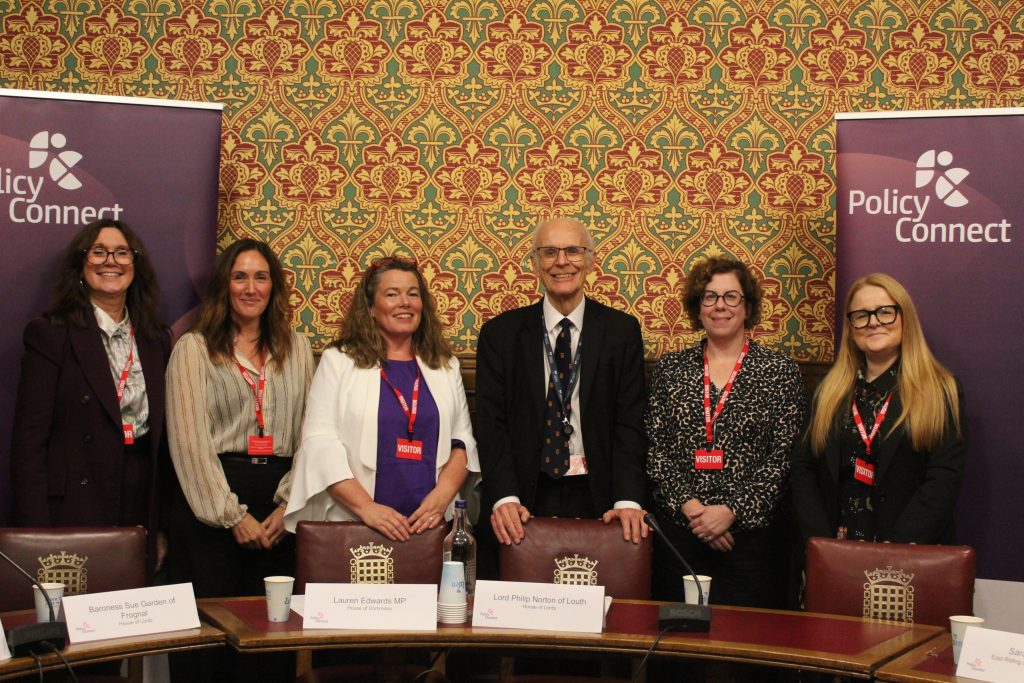
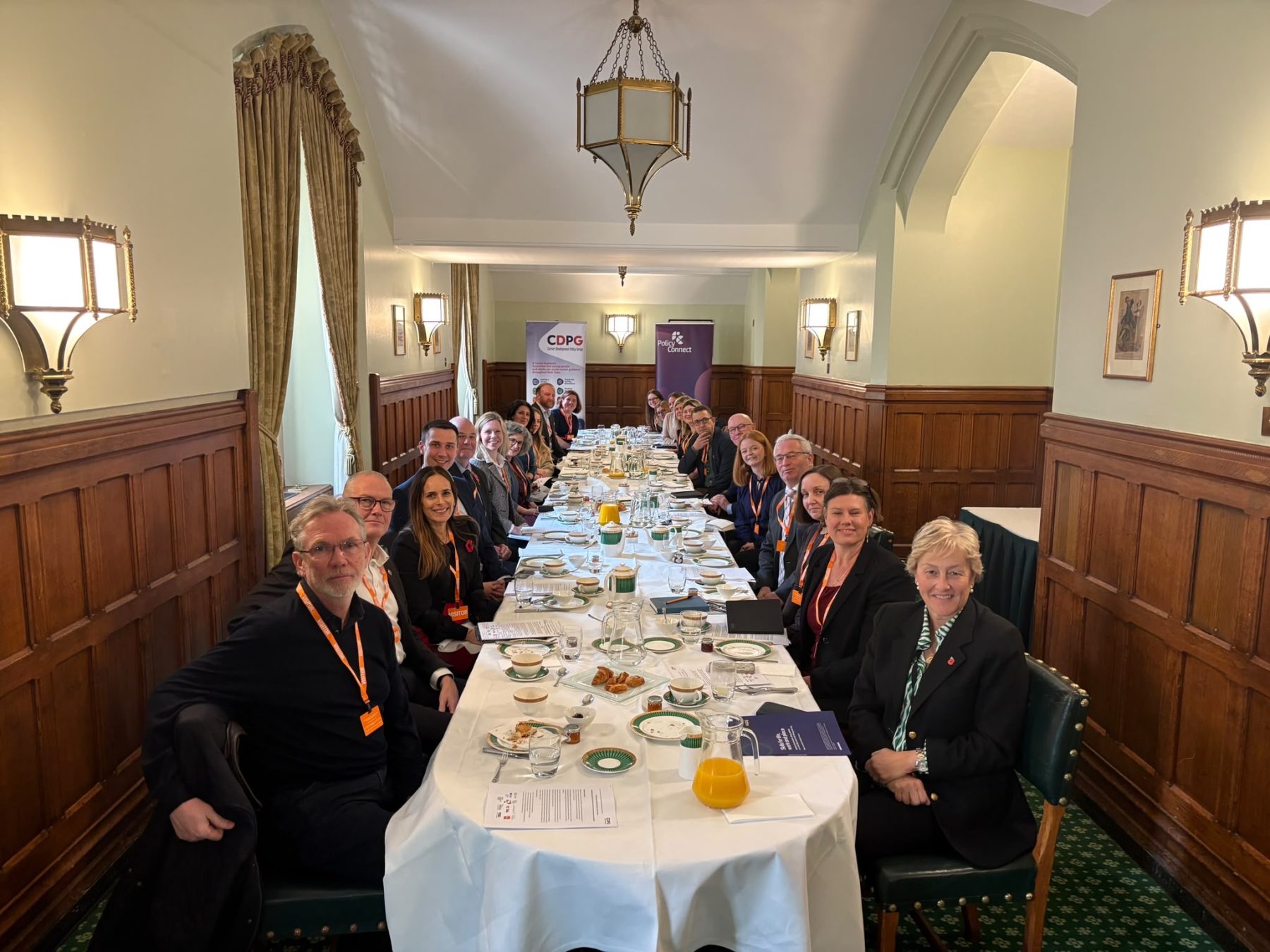
On 20 October, the All-Party Parliamentary Group for Skills, Careers and Employment (APGSCE) held a roundtable on skills devolution in the House of Lords, chaired by Lord Philip Norton of Louth, with opening remarks from Lauren Edwards MP, APGSCE Co-Chair, and Baroness Sue Garden.
The event also heard from panellists:
- Jennifer Holmes, Director of Policy – Growth, Business and Skills, South Yorkshire Mayoral Combined Authority
- Stacey Sleeman, Head of Growth and Skills, Cornwall Council
- Elaine Dale OBE, Head of Service for Adult Learning and Skills, Norfolk County Council
- Sara Fletcher, Education and Skills Partnership Manager, East Riding of Yorkshire Council
- Holly Aquilina BEM, Lead for Employment, Skills and Public Service Reform, Sussex and Brighton Strategic Authority
- Jayne Kirkham MP
The session brought together parliamentarians, local government representatives, providers, employer bodies and national organisations to explore how devolution is reshaping skills, careers and employment provision, with particular attention to the role of mayors and strategic authorities following the passage of the English Devolution and Community Empowerment Act 2026. Drawing on the perspectives of mayoral, strategic and local authorities across urban, rural and coastal areas, we explored how national and local strategies can be better aligned, how to ensure areas without a mayor are not left behind, and how the success of a more localised skills system should be measured.
Flexibility emerged as the central theme of the discussion, with participants arguing that devolution should transfer funding and responsibility for outcomes rather than replicating national programmes at a local level. Single, less ring-fenced settlements were seen as the means to direct resources towards local priorities, such as prevention and in-work progression, which current programmes are not designed to support. Participants were clear that devolution offers an opportunity to simplify a fragmented landscape of overlapping programmes, but cautioned that this fragmentation could be recreated locally if programmes rather than funds are devolved.
The need to join up skills with employment support, health, housing, transport, childcare and children’s services was a consistent thread, with participants noting that the barriers preventing people from starting and staying in learning are closely interconnected. Partnership working was seen as essential, with relationships and trust described as more important than formal structures, and concern raised that multiple programme-specific boards place unsustainable demands on employers, particularly smaller businesses. Participants also stressed that rural and coastal areas are not smaller versions of cities, and called for a model of devolution that is genuinely shaped around place.
Funding stability was identified as a precondition for effective planning, with participants welcoming the move towards multi-year settlements but highlighting the disruption caused by in-year funding changes and short-term initiatives. Calls were made for adult skills settlements aligned to the academic year, for existing funding levels to be maintained during transition, and for capacity funding to accompany devolved responsibilities. Access to data was raised repeatedly as a related barrier, including difficulties in tracking learner destinations and NEET status, and participants argued that any devolved power should come with the data needed to exercise it.
Participants agreed that a national framework remains important alongside local flexibility, particularly to ensure that qualifications are recognised across the country and that mayors and authorities can be held to account through transparent outcome measures. Concerns were raised that areas without devolution deals risk being left behind, and that political incentives could lead local leaders to prioritise higher-level skills for growth sectors at the expense of essential skills and support for those furthest from work. Underpinning the discussion was a shared recognition that devolution will be gradual, with areas at very different stages, and that it should be approached as an ongoing process of testing and learning in which central and local government share responsibility for improving outcomes.
For further information, please contact Rhiannon Tuckett-Jones (rhiannon.tuckett-jones@policyconnect.org.uk) or Max Bishop (max.bishop@policyconnect.org.uk).
Thank you to all those that attended and to our APGSCE members for supporting the session.


 Related content