

 Health
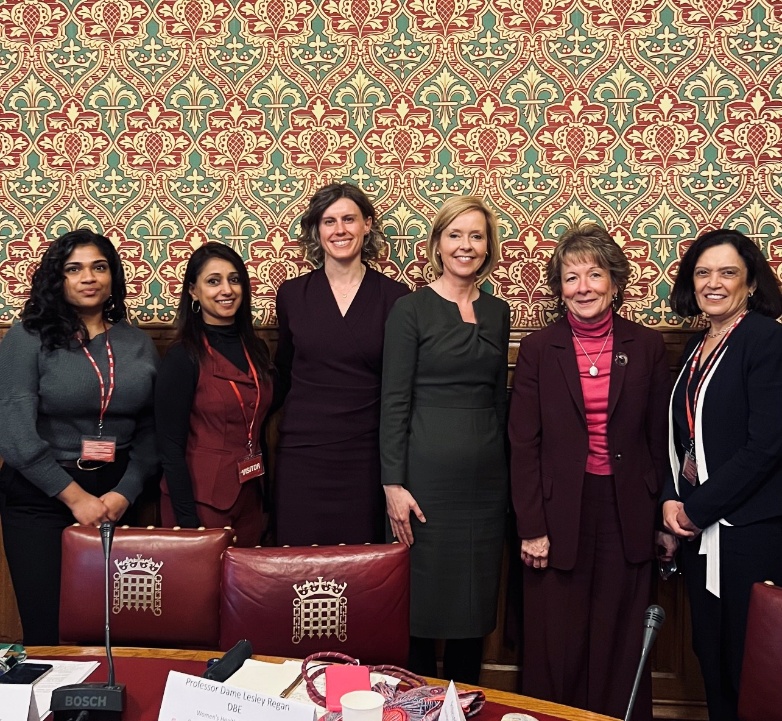
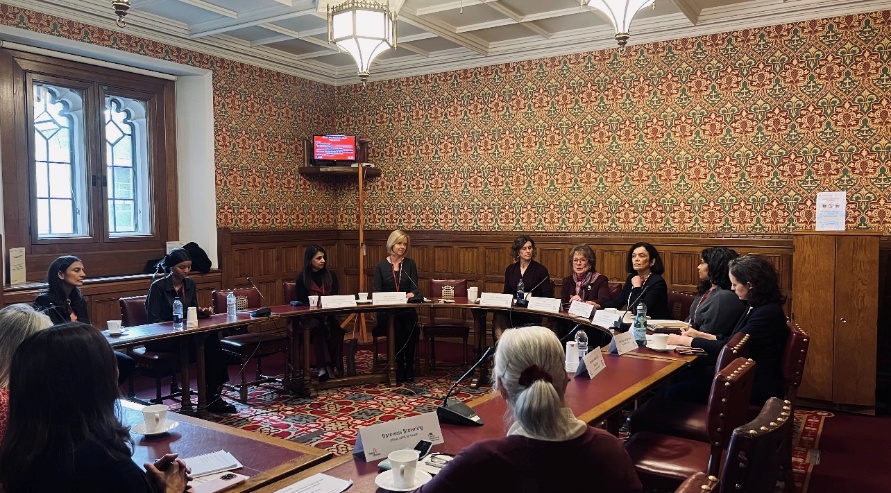
In March 2026, the All-Party Parliamentary Health Group (APHG) convened a hybrid parliamentary roundtable on the renewal and delivery of the Women’s Health Strategy, Chaired by Jessica Toale MP. The discussion focused on the gap between policy ambition and delivery, with contributors highlighting persistent inequalities, variation in services and the need for a more joined-up, life course approach to women’s health. Speakers also stressed the need to tackle delayed diagnosis, unmanaged pain and poor patient experience.
Dame Lesley Regan, Women’s Health Ambassador for England, reflected on progress since the introduction of the Women’s Health Strategy and stressed the need to move from strategy to implementation. She highlighted the alignment between the Government’s 10-Year Health Plan and women’s health hubs, which support a shift from hospital to community care and from treatment to prevention. She argued that neighbourhood-based models could improve outcomes, reduce pressure on secondary care and free up resources for later-life conditions such as cardiovascular disease, osteoporosis and dementia.
Contributors highlighted persistent challenges including long gynaecology waiting lists, inconsistent access to multidisciplinary services and ongoing inequalities in outcomes. It was stressed that women’s common health issues should not be normalised, and that earlier, joined-up care can significantly improve outcomes. There was consensus that any renewed strategy must be realistic, properly resourced and focused on measurable improvements in access, outcomes and patient experience.
Participants also highlighted the systemic ethnic inequalities faced by racially minoritised women across the health system, and that structural racism and sexism continue to shape unequal access, experiences and outcomes. To mitigate these systemic inequalities, the discussion called for stronger accountability, improved ethnicity data, greater representation in research and sustained investment in community-based care
There was strong support among participants for women’s health hubs and other community-based models to improve access, reduce waiting lists and shift care towards prevention. Contributors also highlighted the importance of innovation, data and aligning women’s health with wider reforms such as workforce planning and digital transformation. However, concerns were raised about long-term sustainability without dedicated funding, clear commissioning and stronger accountability. There was broad agreement that many solutions already exist, but progress now depends on sustained implementation and system-wide coordination.
Following this meeting, Jessica Toale MP tabled 6 questions on behalf of the APHG, directed to the Secretary of State for Health and Social Care. The questions focused on the implementation and accountability mechanisms of the Renewed Women’s Health Strategy for England. Responses were provided by Karin Smyth MP, Minister of State for the Department of Health and Social Care, on the 1 and 2 June 2026. These are available to read in full here


 Related content